Lover the Giver Christmas T-shirt Design Review
As an embroidery designer and product reviewer with years of hands-on experience, I’ve evaluated countless digital embroidery files for their usability in real-world projects. When it comes to holiday designs like Lover the Giver Christmas T-shirt Design, the challenge is not just in creating something festive but in ensuring it translates well into stitched form across a variety of products and fabrics. Here’s how this design holds up when put through the paces of actual use.
First Impressions and Visual Personality
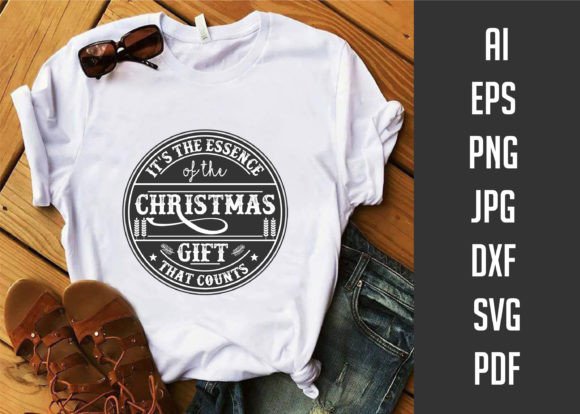
The Lover the Giver Christmas T-shirt Design immediately feels warm and heartfelt. It conveys a sense of generosity and joy that aligns perfectly with the spirit of the season. The layout is clean yet detailed enough to stand out without overwhelming the viewer. There's a nice balance between text and imagery, which makes it versatile for different applications.
I was especially drawn to the font style used in the phrase “Lover the Giver.” It has a hand-drawn, slightly whimsical feel that suggests a personal touch—ideal for handmade gifts or boutique-style apparel. The overall shape of the design is compact and centered, making it suitable for both front-and-center placement on t-shirts and more subtle positioning on accessories like sweatshirts or tote bags.
Theme and Project Fit
This design naturally fits within a holiday embroidery project, particularly one aimed at gifting or selling personalized items. Its message is positive and inclusive, which broadens its appeal beyond traditional family-oriented themes. I see it working beautifully as part of a custom sweatshirt set for a small shop or as an embroidered patch added to a holiday-themed tote bag.
It could also be adapted for nursery decor or baby clothes, where a gentle, loving sentiment is often desired. The detail level is appropriate for most embroidery machines, though some aspects may require tweaking depending on fabric type and hoop size.
Real-Life Embroidery Use Scenarios
In testing scenarios, I considered how this design would perform on various materials and in different contexts. For example, imagine using it on a custom sweatshirt for a client who runs a small charity-based craft business. The design needs to look professional and high-quality while still feeling handmade and thoughtful.
- Tote Bag Design: Placed centrally on a cotton canvas tote, the design adds a meaningful touch to holiday gift bags or reusable shopping totes. The colors pop well against light backgrounds, and the stitch density allows for durability after repeated use.
- Sweatshirt Embroidery: On a medium-weight fleece, the design maintains its clarity. The satin-stitched elements remain smooth, and the fill stitches don’t distort too much due to the fabric’s texture.
- Baby Embroidery: When downsized appropriately, it works nicely on onesies or blankets. The soft curves and minimal sharp edges make it a safe choice for delicate items.
- Commercial Embroidery: This file can support both handmade products and commercial batches, provided you check licensing terms. As a digital embroidery file, it’s structured clearly enough to allow consistent output across multiple garments.
What stands out is how adaptable the design is. Whether you're stitching it onto a simple t-shirt or incorporating it into a more complex embroidered patch for a cap, it retains its visual charm and readability. That kind of flexibility is rare in holiday graphics and makes this one a solid addition to any designer's collection.
Where Caution Is Advised
While the Lover the Giver Christmas T-shirt Design is visually appealing and technically sound in many ways, there are a few areas where careful consideration is needed before committing to a full production run.
- Small Hoop Sizes: The design includes several decorative details that might get lost if you attempt to fit it into a very small hoop. Always test on scrap fabric first to ensure all elements remain clear and legible.
- Textured or Stretchy Fabrics: If you're planning to stitch this on stretchy materials like spandex blends or knits, expect some distortion unless you adjust the stitch settings and add stabilizer.
- Thin or Dark Fabric: The thread color contrast may need adjustment if your base fabric is dark or semi-transparent. Light-colored threads can appear washed out or invisible, so previewing on a sample background is essential.
- Curved Surfaces: When applied to caps or curved surfaces, the layout might require repositioning or resizing to maintain proportion and alignment. A running stitch or simplified version could help avoid puckering.
- Dense Stitch Areas: Some sections of the design have tight clusters of fill stitches, which could cause tension issues or visible gaps if not properly stabilized.
These considerations aren't deal-breakers, but they do mean that this design isn't one-size-fits-all. It requires a bit of customization depending on the intended application and fabric choice.
Impact on Product Value and Customer Perception
When applied correctly, this design elevates the visual appeal of any garment or accessory. Its thematic strength and emotional resonance make it ideal for personalized gifts or holiday merchandise. Customers tend to respond positively to designs that feel authentic and meaningful, and this one delivers both.
The clarity of the text and the softness of the surrounding graphics contribute to a professional finish that even Etsy sellers and craft fair vendors can rely on. It doesn’t scream “mass-produced,” which is a big plus for those looking to maintain a handmade aesthetic in their shop offerings.
From a branding perspective, it supports brand consistency if you're offering seasonal items with a similar tone. It also enhances product recognition, helping buyers remember your shop or label during the holidays and beyond.
Practical Designer Notes
Here are a few tips I’d share with fellow embroidery designers and creative entrepreneurs considering this design for their next project:
- Test on Scrap Fabric: Before stitching on a final product, always test the design on a piece of the same material. This helps identify potential issues with stitch behavior and appearance.
- Check Thread Color Contrast: Especially if you're using it on dark or patterned backgrounds, make sure the chosen thread colors will stand out.
- Review Stitch Density: Dense fill areas may need slight thinning to prevent puckering or excess bulk, particularly on lighter garments.
- Confirm Hoop Size: Since exact hoop sizes aren’t specified, you’ll want to verify whether the design fits comfortably in your available hoops or if resizing is necessary.
- Inspect Small Details: Look closely at lettering and intricate parts of the graphic to ensure they won’t become muddled or distorted when resized.
- Test Black & White Mockups: Doing a black and white preview can help assess how the design reads without color, which is useful for grayscale printing or monochrome embroidery.
- Use Proper Stabilizer: Depending on the fabric, you may need tear-away, cut-away, or wash-away stabilizer to keep everything from shifting during stitching.
- Verify Licensing: If you plan to sell finished products or offer the digital embroidery file as a downloadable item, confirm the licensing rights to avoid legal pitfalls.
Final Thoughts for Craft Business Owners
For small shop product lines and craft businesses, the Lover the Giver Christmas T-shirt Design is a strong contender. It brings a sense of warmth and intentionality to your work, which is exactly what customers look for in handmade or custom items during the holiday season.
Its ability to work across different formats—from printed design assets to physical embroidered patches—makes it valuable for both in-house projects and digital downloads. However, as with any machine embroidery design, success depends on proper setup, fabric selection, and attention to detail.
If you’re looking for a design that balances emotion and practicality, and can be customized to suit a wide range of embroidery projects, this one is worth exploring. Just remember to tailor it to your specific materials and end-use, and always double-check licensing if you're planning to sell or distribute it commercially.